
How to Read a Garage Door Repair Quote (What to Look For)
A garage door quote should tell you what's broken, why, and what it takes to fix it right. Here's how to read one like a technician would.
What a Thorough Quote Should Actually List
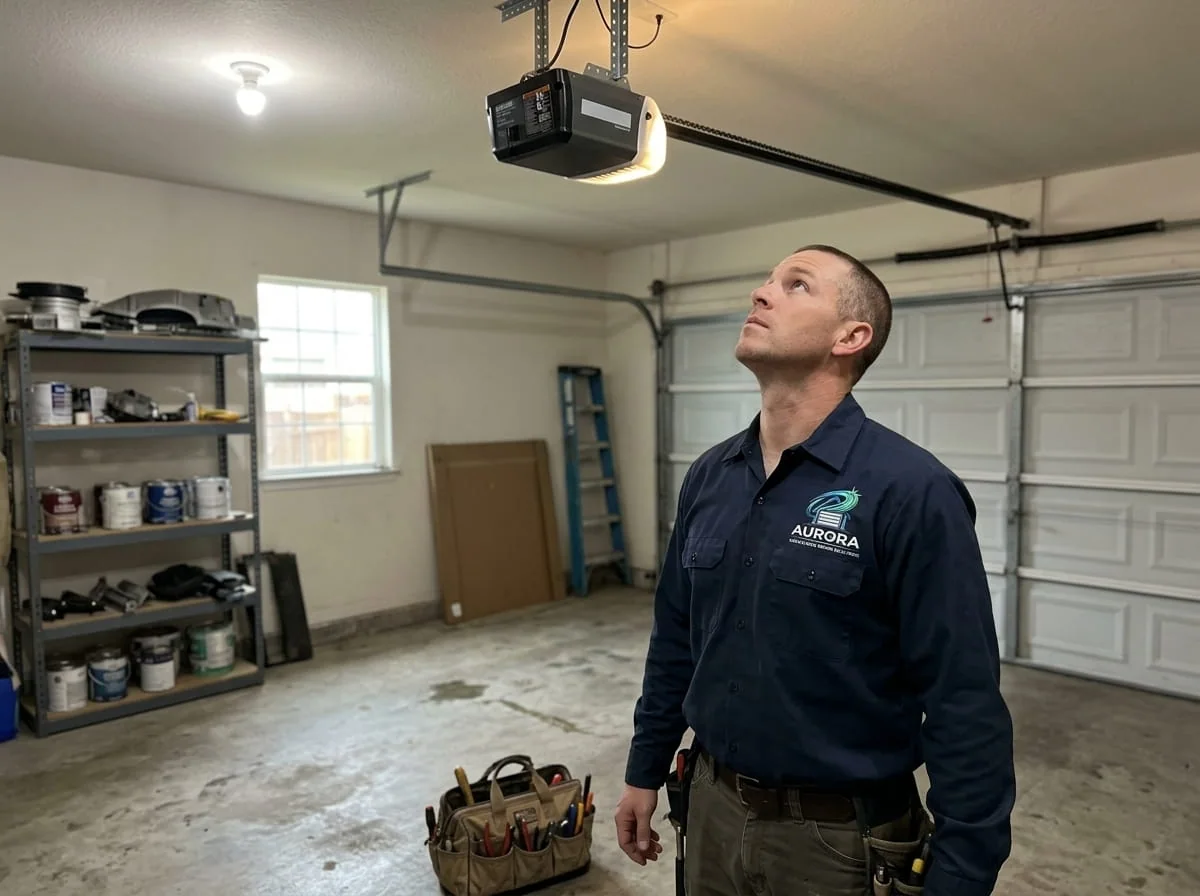
Most homeowners only deal with a garage door repair once every few years, so there's no learned instinct for what a fair, complete quote looks like. That gap is exactly where sloppy or padded quotes slip through. A quote that's worth trusting reads less like an invoice total and more like a short explanation: here's what's wrong, here's the part or parts it takes to fix it, here's the labor involved, and here's what happens if something else turns up once the door is opened up.
At minimum, a written or verbal quote should separate parts from labor rather than bundling everything into one number. It should name the specific component being replaced — not just "spring" but which spring, not just "opener part" but which part of the opener. It should state whether a diagnostic or service call fee applies, and whether that fee is waived or credited if you move forward with the repair during the same visit. And it should give you some sense of why the failure happened, not just what it will cost to undo it.
None of this requires a fancy invoicing system. A technician standing in your driveway can tell you all of this out loud and it still counts as a real quote. What doesn't count is a single lump number with no explanation behind it — that's not a quote, it's a guess dressed up as one.
Parts: What's Being Replaced, and Why
Garage door components fail for specific, identifiable reasons, and a technician who has actually inspected your door should be able to point to the reason, not just the symptom. Torsion springs are rated for a certain number of open-close cycles under DASMA industry standards — they don't fail randomly, they fail because they've reached the end of their rated cycle life, because the wrong wire gauge was installed for the door's weight, or because temperature swings and time have simply worn them out. A quote for spring replacement should specify which spring (left, right, or both) and ideally why it failed, not just present a number.
Cables are similar. A frayed or snapped cable is often a symptom of something upstream — a worn drum, a track that's slightly out of alignment, or a spring that's no longer providing balanced tension so the cable is carrying more load than it should. Rollers matter too: nylon rollers get brittle in cold weather and eventually crack or bind, and a track that's noisy or grinding may point to rollers rather than the track itself.
The point isn't that every quote needs a paragraph of engineering explanation. It's that "replace cable" and "replace cable — original cable was frayed from riding against a bent drum, drum will also need to be replaced or the new cable fails the same way" are two very different levels of honesty, and only one of them tells you what you're actually paying for.
- Springs: which one(s), and whether cycle life or physical damage is the cause
- Cables: whether the drum, track, or spring balance contributed to the failure
- Rollers: material (nylon vs. steel) and whether cold-weather brittleness is a factor
- Opener components: which part specifically — gear, sprocket, circuit board, sensor — not just "opener repair"
Labor, Diagnostic Fees, and the Credit Question
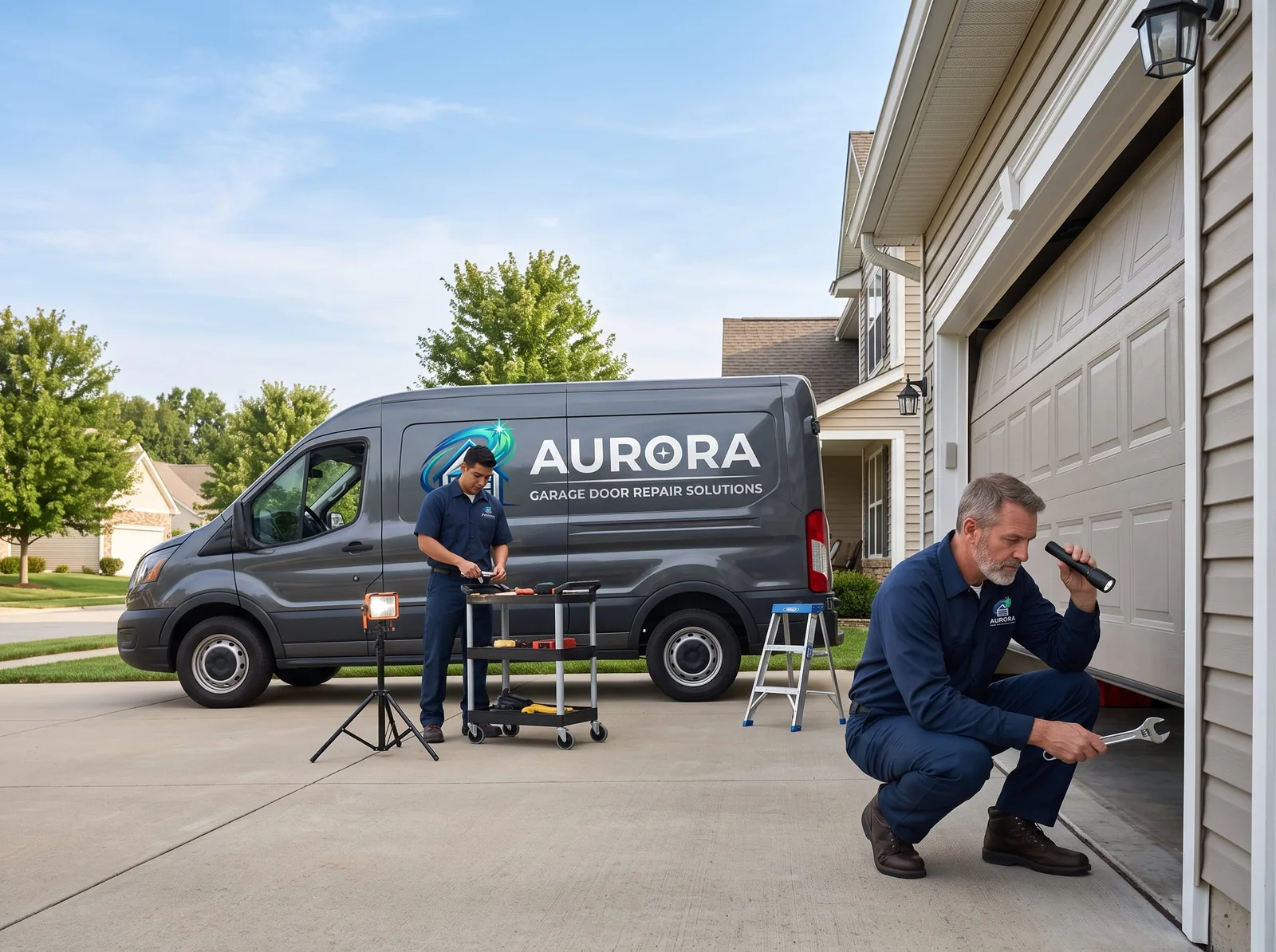
A technician can't accurately diagnose a garage door problem over the phone or from a photo. Spring wind direction, drum wear, track alignment, and cable condition all require eyes on the actual hardware. Because of that, it's normal and fair for a company to charge a service call or diagnostic fee to come look at the door in person — that fee covers the technician's time and the trip, whether or not you end up doing the repair that day.
What separates a fair setup from a frustrating one is what happens to that fee if you say yes to the repair. Many companies apply the diagnostic or trip fee toward the cost of the repair itself when you proceed during the same visit, so you're not effectively paying twice — once to have someone look at the door, and again for the fix. This should be disclosed before the technician ever picks up a tool, not discovered after the fact on a final bill. If a company can't give you a straight answer about whether the visit fee is credited toward the repair, ask directly before you schedule. It's a completely reasonable question and a legitimate business will have a clear, consistent answer.
Labor itself is sometimes quoted as a flat rate per repair type and sometimes as time-based — both are legitimate as long as it's stated clearly and doesn't change mid-job without a conversation first.
Red Flags Worth Slowing Down For
Garage door repair, especially spring work, involves enough stored mechanical tension to cause real injury, which means it also attracts a fair number of corner-cutting operators. A few patterns are worth treating as warning signs rather than just quirks of how a particular company does business.
A firm price given without anyone looking at the actual door is the biggest one. Torsion spring wind, door weight, drum condition, and track alignment all affect what a repair actually requires, and none of that is visible over the phone. A quote that arrives before an inspection is a placeholder at best.
Pressure to decide on the spot is another. A technician explaining what's wrong and what it takes to fix it is doing their job. A technician implying the price only holds if you agree in the next five minutes, or that the door is unsafe to leave overnight without immediate signed approval, is using urgency instead of information to get a yes. Genuine safety concerns — a door that's fallen off track, a snapped cable with the door still up — are worth addressing promptly, but that's different from being rushed past questions.
Vague line items are a quieter version of the same problem. "Repair door" as the entire description, with one number attached and no breakdown of parts versus labor, tells you nothing about what you're paying for or whether it addresses the actual failure. Ask for the breakdown. A company doing honest work has no reason to withhold it.
Questions That Separate a Real Fix From a Patch
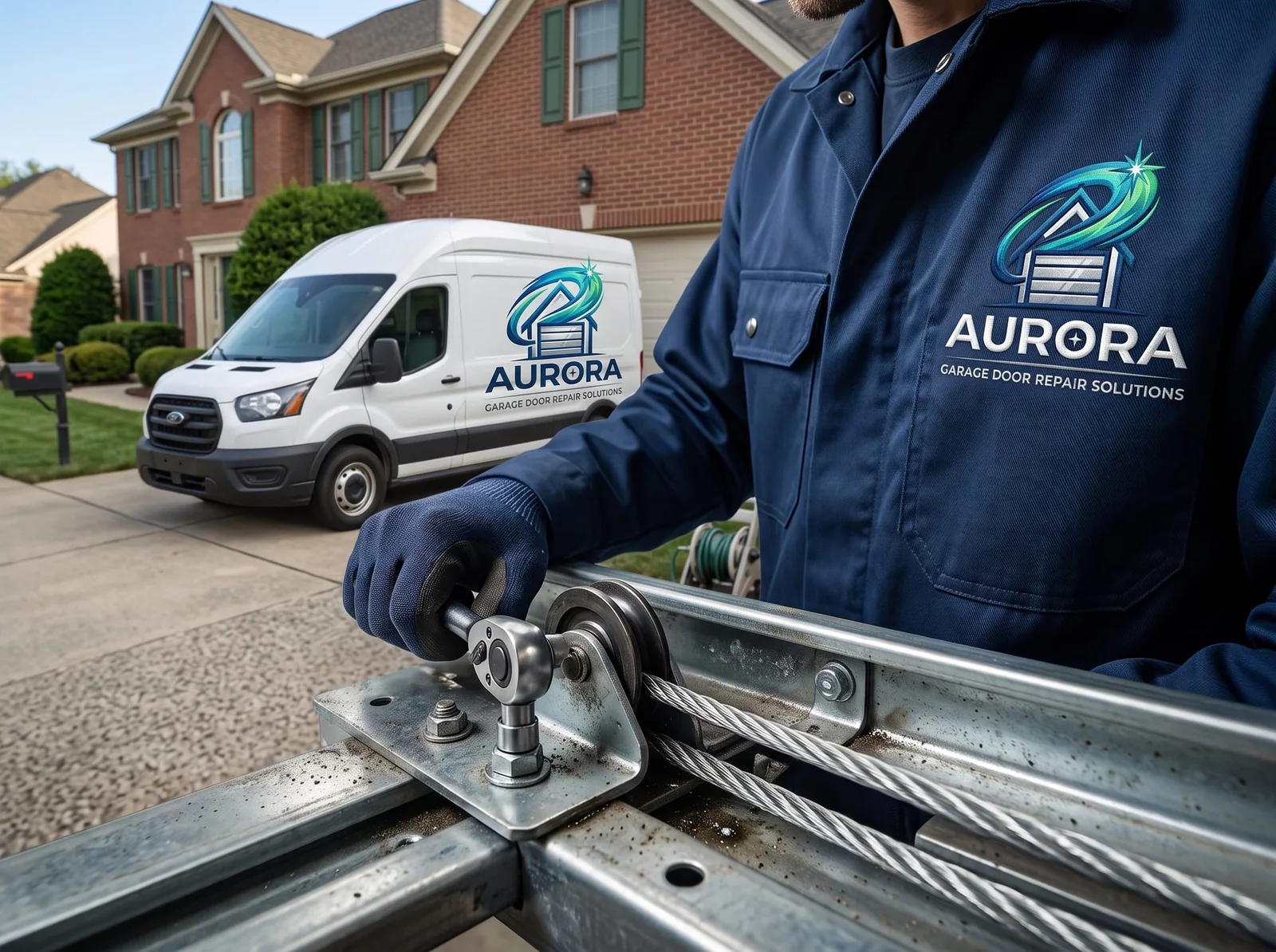
The single most useful question a homeowner can ask is whether a proposed repair addresses the root cause or just the symptom that's currently visible. Replacing a frayed cable fixes the cable. It doesn't fix a misaligned drum or an out-of-balance spring that will fray the next cable the same way within months. A technician worth hiring should be able to answer, specifically, why the failure happened — not just what part fixes it.
It's also worth asking what the technician checked beyond the obviously broken part. A garage door is a connected system: a spring, a set of cables, a track, rollers, and an opener all working together under tension. A quote that only addresses the part that visibly failed, without a word about whether the rest of the system was inspected, may be treating a symptom while leaving the underlying cause in place.
A repair that only replaces what broke, without checking why it broke, is a repair you'll likely be paying for again.
The Mismatched Spring Problem, Explained
This deserves its own section because it's one of the most common — and most commonly missed — issues in residential spring repair. Most garage doors with two torsion springs have both springs installed at the same time, which means both have been through roughly the same number of open-close cycles and have aged under the same conditions. When one spring breaks, the other is typically not far behind it in terms of wear, even though it hasn't failed yet.
A quote that replaces only the broken spring and says nothing about the second one isn't necessarily wrong — sometimes replacing just the failed spring is the right call, particularly if the second spring is newer or was replaced more recently for an unrelated reason. But the question deserves to be asked and answered, not skipped. A good technician will look at both springs, consider their approximate age and cycle wear, and tell you honestly whether replacing just one is reasonable or whether replacing both now saves you a second service call — and a second diagnostic fee — a few months down the line. If a quote for a single broken spring doesn't mention the other spring at all, ask about it directly.
Why We Quote Everything Upfront, In Person
We give free upfront quotes before any work begins, and that's a deliberate process choice, not a marketing line. It means a technician looks at your actual door — the springs, the cables, the drums, the track, the opener — before anyone commits to anything. You hear what's wrong, why it likely happened, and what it takes to fix it, in plain language, before a wrench touches a bolt. If the fix turns out to be smaller than expected, the quote reflects that. If something else is found once the door is open, that gets explained and approved before it's added, not buried in a final number.
Ryan Delaney has been doing spring and cable work in Aurora since 2009, and the habit of explaining the why behind a repair goes back to how he got into the trade in the first place — watching a neighbor's spring fail and understanding firsthand how much force is involved. That's shaped an approach built around giving homeowners straight answers rather than talking them into more than the door actually needs.
A Quick Checklist Before You Say Yes
Before approving any garage door repair, it helps to have a short mental checklist rather than relying on gut feel about whether a quote sounds reasonable.
| Ask about | Why it matters |
|---|---|
| Specific part(s) being replaced | "Spring" or "cable" alone doesn't tell you what's actually failing or being fixed |
| Reason for the failure | Distinguishes a root-cause repair from one that treats a symptom |
| Labor vs. parts breakdown | Makes it possible to understand what you're paying for |
| Diagnostic/visit fee credit | Confirms you're not effectively paying twice for one visit |
| Whether both springs were assessed | Mismatched spring age is a common secondary failure point |
| In-person inspection completed | No accurate quote is possible over the phone alone |
A quote that can answer all six of these without hesitation is one you can trust. A quote that dodges more than one or two probably deserves a second opinion before you sign off.

Ryan Delaney
Owner and lead technician at Aurora Garage Door Repair Solutions, serving Aurora, IL since 2009.
FAQs
Should a garage door repair quote include an exact price before the technician sees the door?
Not accurately, no. Spring wind, drum condition, track alignment, and cable wear all have to be seen in person to be diagnosed correctly. A phone estimate can give you a general sense of what a type of repair typically involves, but a firm number should follow an in-person inspection, not precede it.
Is it normal to be charged just for someone to come look at my garage door?
Yes, a diagnostic or service call fee is a normal part of the industry since accurate diagnosis takes a technician's time and a trip regardless of outcome. What matters is whether that fee is disclosed upfront and whether it's credited toward the repair cost if you decide to move forward the same visit — ask directly if it isn't stated.
If only one garage door spring broke, do I need to replace both?
Not always, but it's worth asking about. Both springs are usually installed at the same time and wear at a similar rate, so when one breaks the other has typically absorbed a comparable number of cycles. A technician should look at both and give you an honest read on whether replacing just the broken one is reasonable or whether the second is close enough behind it to be worth addressing now.
What does it mean if a repair only fixes a symptom instead of the root cause?
It means the visible failure gets resolved, but whatever caused it is still in place. A frayed cable replaced without checking the drum or track it was riding against, for example, may fray again in a similar timeframe. A thorough quote explains why something failed, not just what part fixes the immediate problem.
How much does a garage door repair usually cost?
It depends on which components are involved, how the door failed, and what the inspection finds, so there's no honest one-size-fits-all figure to give. Aurora Garage Door Repair Solutions provides free upfront quotes after an in-person inspection, so you know exactly what's involved before any work begins.
What's a red flag that a garage door quote isn't trustworthy?
The clearest ones are a firm price given without ever inspecting the door, pressure to approve the work immediately, and vague descriptions like "repair door" with no breakdown of parts or labor. Any of these is a reason to ask more questions or get a second opinion before agreeing to the work.
Have a Garage Door Problem Right Now?
Skip the guesswork — call Aurora Garage Door Repair Solutions for a fast, honest diagnosis.