
Garage Door Roller Repair in Aurora, IL
Grinding, shaking, or a door that keeps jumping the track usually means worn rollers — and Aurora Garage Door Repair Solutions fixes them fast, with honest, upfront pricing.
- Locally owned since 2009
- Insured, background-checked techs
- Free upfront quotes
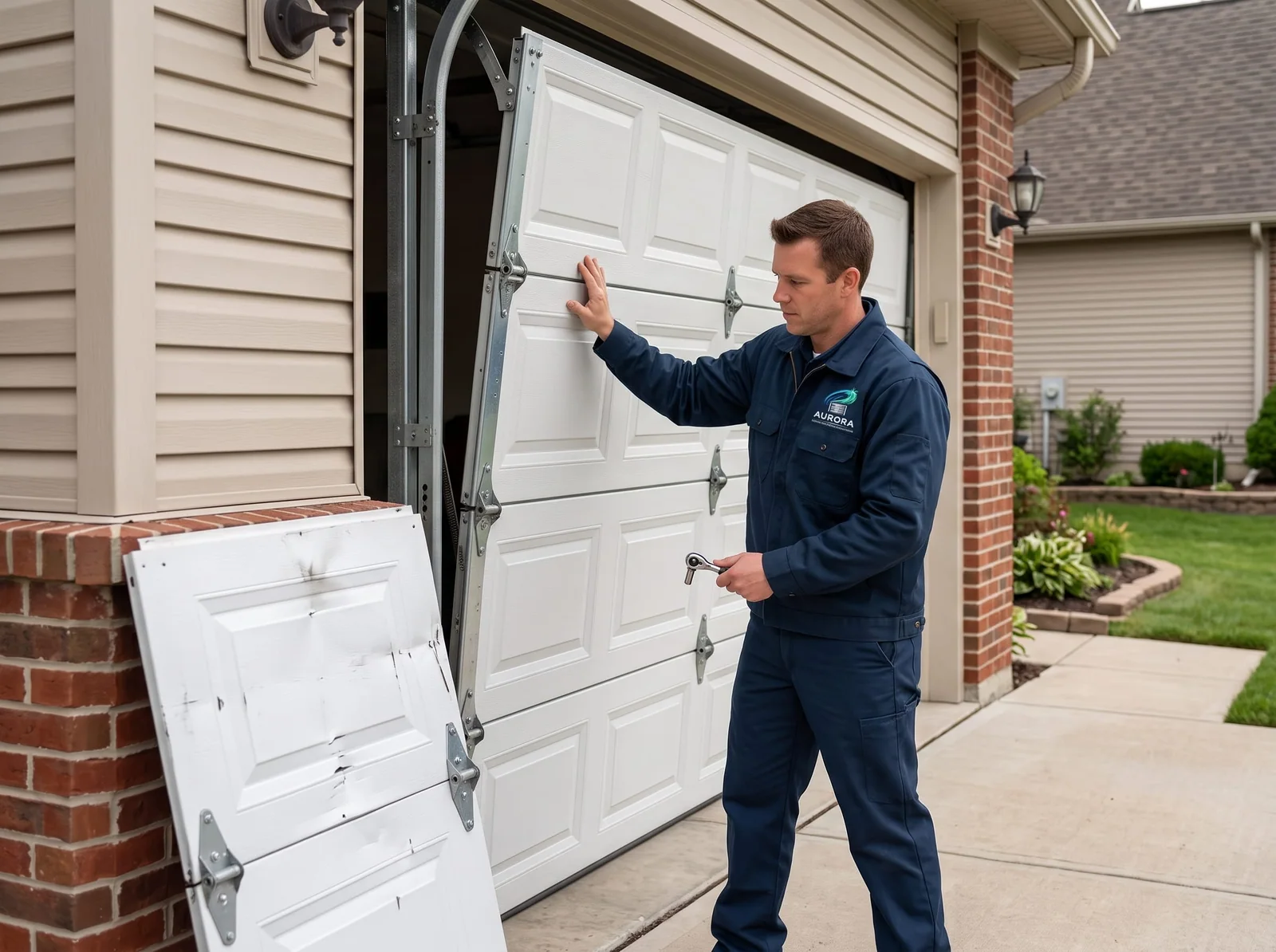
Garage door rollers are small parts that do a lot of quiet, unglamorous work. Every time your door opens or closes, ten to twelve rollers ride along steel tracks, carrying the full weight of the door section by section. When a roller wears out, that load doesn't disappear — it transfers to the track, the hinges, and eventually the opener, which is why a scraping or shaking door rarely stays a small problem for long.
Aurora Garage Door Repair Solutions has been diagnosing and fixing roller problems around Aurora, IL since 2009. Ryan Delaney and his technicians see the same pattern every fall and spring: rollers that held up fine through summer start grinding, jumping, or cracking once temperatures swing. Because rollers sit at the point where moving hardware meets plastic or steel, they're often the first component to show wear from age, dirt, or repeated cold-weather stress.
Most roller problems are easy to hear before you can see them, but the right fix depends on the roller type installed, how many are affected, and whether the tracks or hinges have already picked up damage from rollers rubbing where they shouldn't. That's the assessment our technicians walk through on every call, with a straight answer about whether lubrication will hold you over or replacement is the safer move.
Signs Your Garage Door Rollers Are Wearing Out
Worn rollers rarely fail without warning. The signs build gradually, and most homeowners notice the noise before anything else:
- Grinding or rattling noise as the door travels along the track, often loudest near the bottom of the cycle.
- Shaking or jerking motion instead of a smooth, steady glide — sometimes you can feel it through the door frame or wall.
- Visible flat spots, chips, or cracks on the roller wheel itself, where it has been carrying weight against the track.
- Hesitation or slow spots in the travel, especially where a worn roller has started grooving the track.
- The door jumping the track more often than it used to, which usually means a roller has worn down enough to slip out of its channel.
Any one of these on its own might not be urgent. Several happening together, especially grinding paired with shaking, usually means at least a few rollers are past the point where lubrication alone will help.
Plastic, Nylon, and Steel Rollers: What's Actually on Your Door
Not every garage door roller is built the same way, and the type installed on your door affects both how it wears and what the right repair looks like.
Plastic or nylon rollers are common on newer residential doors because they run quieter than steel and don't demand frequent track lubrication. The tradeoff is that the roller wheel itself is a wear item by design — it absorbs friction so the track and hinges don't have to, which means it gradually flattens, chips, or cracks and eventually needs replacing.
Steel wheel rollers hold up to heavier doors and higher cycle counts, but they run louder and transmit more vibration into the track and wall, and they generally need more frequent lubrication to stay quiet and move smoothly.
Within either category, rollers also come with sealed or open bearings. Sealed-bearing rollers keep lubricant and bearings enclosed, run quieter, and need less upkeep over time. Open-bearing rollers cost less upfront but require more regular lubrication and tend to collect dirt and grit that speeds up wear.
How Aurora Winters Wear Out Garage Door Rollers Faster
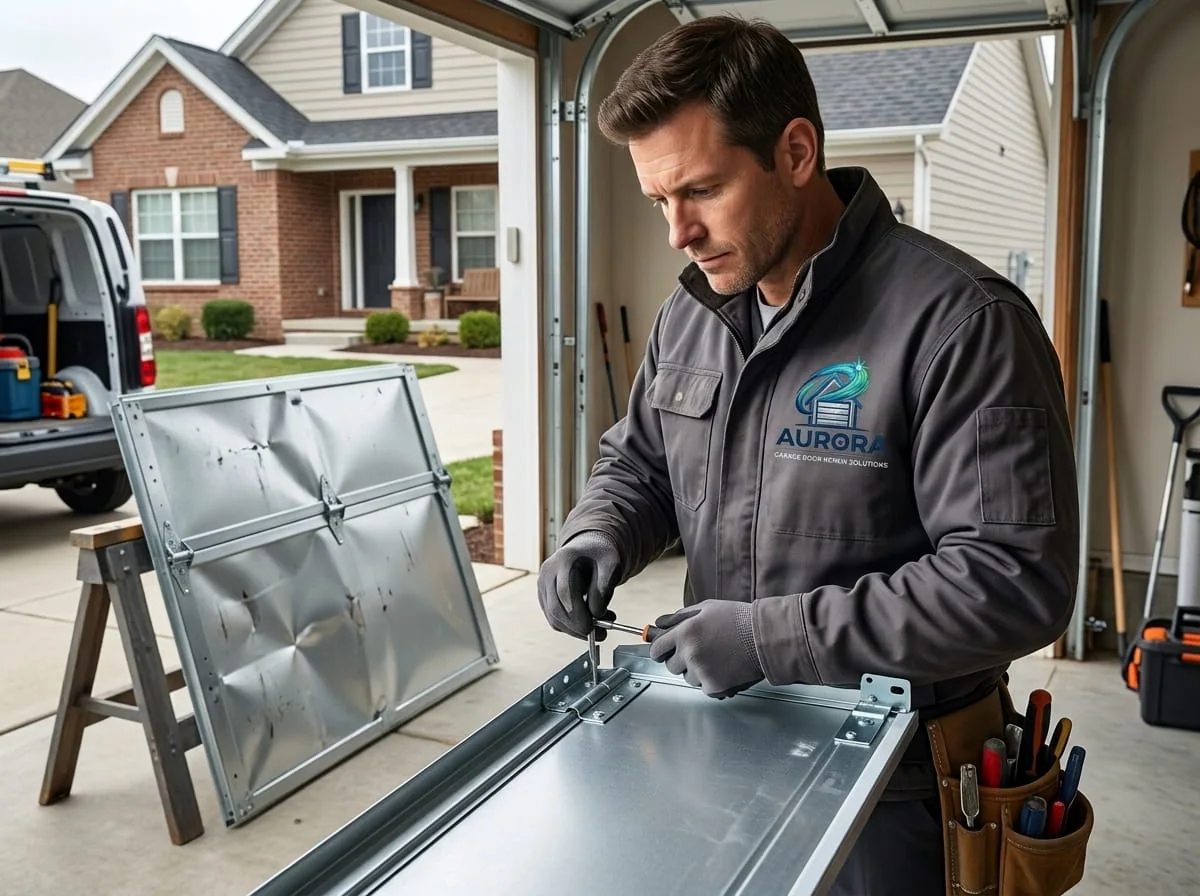
Aurora's winters are especially hard on plastic and nylon rollers. With January highs averaging around 30°F and lows near 16°F, the plastic in a roller wheel loses flexibility and becomes noticeably more brittle in cold weather. A load that a roller handles fine in July can chip or crack the same wheel in January, simply because the material has less give.
Repeated freeze-thaw cycles through an Aurora winter can also shift a garage's concrete slab slightly, which changes how the tracks line up. A roller that's already stiffened by the cold has less flexibility to absorb that misalignment, so cracking and flat-spotting tend to show up more in late winter and early spring than any other time of year.
Steel rollers hold up better to brittleness, but cold weather thickens grease and lubricant on any roller type, which is part of why doors can feel sluggish or noisier on the coldest mornings of the season.
Lubrication or Replacement: How to Tell Which Your Rollers Need
A light, garage-door-specific lubricant applied to the rollers and hinges every few months keeps hardware moving smoothly and cuts down on the friction that wears rollers out faster. This is homeowner-safe maintenance — a few minutes with a shop rag and the right lubricant on the roller stems and hinge pivots is usually enough. Torsion springs and cables are a different matter entirely: they're under continuous, high tension, and we don't recommend homeowners handle or lubricate that hardware without training, since a spring or cable failure under load is how people get seriously hurt.
Lubrication helps when the roller wheel still holds its shape — some noise or stiffness, but no flat spots and no cracks. Once a wheel shows visible wear, a chip, or a crack, lubrication won't fix the underlying problem. The wheel's structure is compromised, and it should be replaced before it fails mid-cycle and lets that section of the door bind or drop unevenly.
Why DIY Roller Replacement Is Riskier Than It Looks
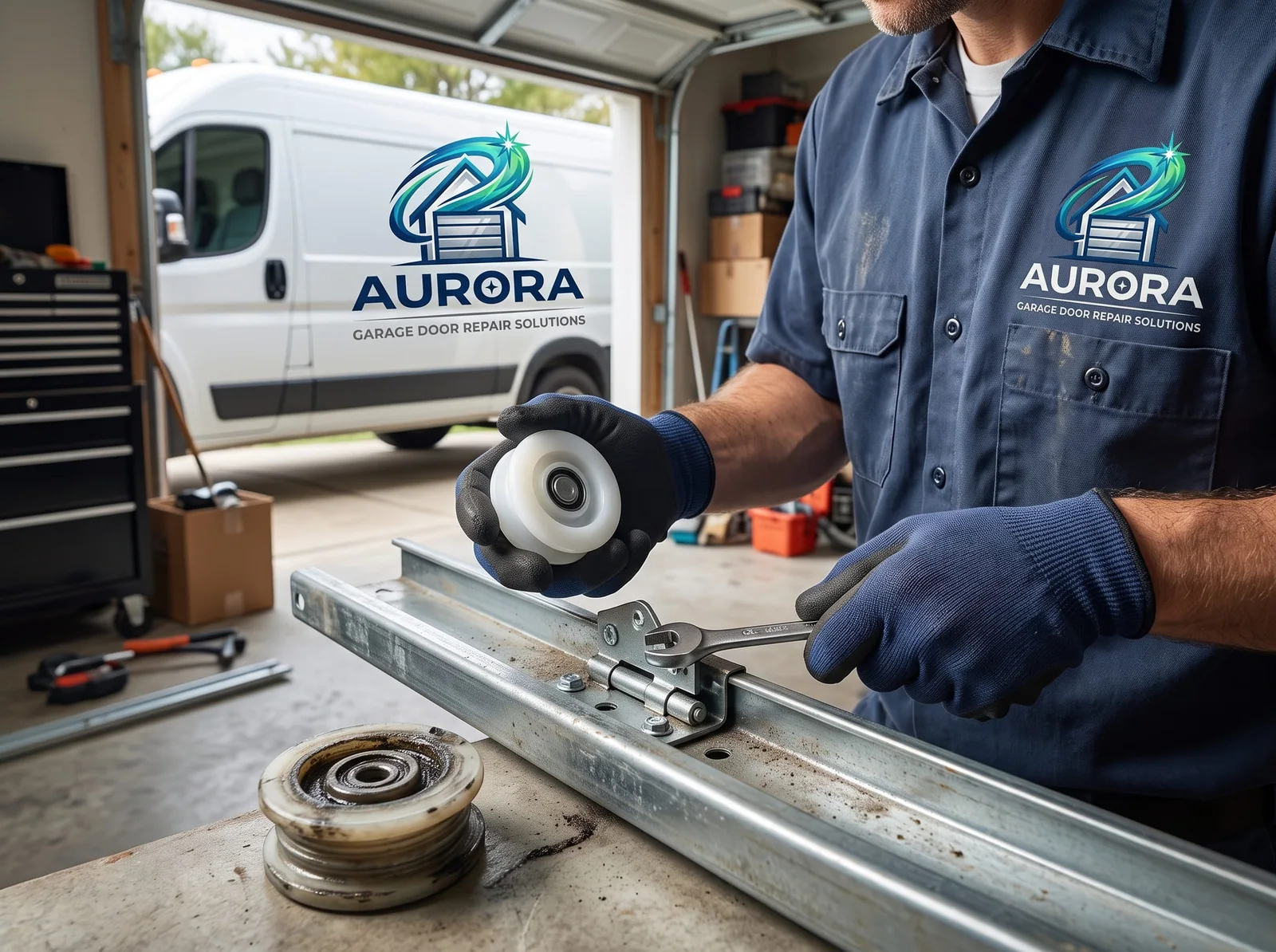
Swapping a mid-panel roller can look simple enough on a video, but the top rollers sit at the same hinge points that anchor the lift cables, and the bottom rollers sit near brackets connected to that same cable and spring system. Working around those points without knowing exactly which hardware is under tension is how a routine roller job turns into a trip to the emergency room instead of a fixed door.
There's also the track itself to consider. Rollers have to come out of the track cleanly, and forcing a stuck or misshapen roller free can bend the track, which then needs its own repair on top of the rollers.
Why Aurora Homeowners Call Us for Roller Repair
Aurora Garage Door Repair Solutions has been repairing garage doors across Aurora and the surrounding Fox Valley since 2009. Owner Ryan Delaney built the company around doing hardware repairs correctly rather than quickly, a standard that applies to roller work just as much as spring work — a roller job done wrong near a cable bracket carries real risk, and he trains his technicians accordingly.
Our insured, background-checked technicians carry both nylon and steel roller options on the truck, inspect the full roller set rather than just the noisy one, and give upfront, honest pricing before any work begins. We offer same-day appointments where possible, and we're familiar with how Aurora's winters affect the specific hardware on Fox Valley homes.
What to Expect When You Call
Phone Diagnosis
We ask about the noise, when it started, and how the door is moving to narrow down likely causes before we dispatch a technician.
On-Site Roller and Track Inspection
The technician checks every roller, hinge, and section of track, not just the one making noise, to catch wear before it spreads.
Upfront Quote
You get a clear explanation of what's worn and what it will cost before any repair or replacement work starts.
Roller Replacement or Lubrication Service
Depending on the inspection, we replace worn rollers with the right type for your door or perform a full lubrication service on hardware that's still sound.
Full Cycle Test
We run the door through several open-close cycles to confirm smooth, quiet operation and proper track alignment before we leave.
Garage Door Roller Repair in Aurora, IL FAQs
How much does garage door roller repair cost?
It depends on how many rollers need replacing, whether you choose nylon or steel, sealed or open bearings, and whether the track was damaged by the worn rollers. Aurora Garage Door Repair Solutions provides a free, upfront quote before any work begins so you know the cost ahead of time.
Can I replace garage door rollers myself?
A middle roller on a panel is sometimes manageable for a handy homeowner, but the top and bottom rollers sit near hinge and bracket hardware connected to the cables and springs, which store significant tension. We generally recommend having a technician handle roller work near that hardware.
How long does garage door roller repair take?
Most roller repairs are completed in a single visit. The exact time depends on how many rollers need replacing and whether the tracks need adjustment or realignment as well.
What causes garage door rollers to wear out?
Rollers wear out from age, total open-and-close cycles, dirt and debris in the track, lack of lubrication, and temperature swings. In Aurora, cold winters make plastic and nylon rollers more brittle, which speeds up cracking and flat-spotting.
Is a noisy garage door dangerous?
Noise alone usually isn't dangerous, but it's a warning sign. A grinding or rattling door often means a roller or hinge is failing, and ignoring it can lead to a jumped track or a door that binds unevenly, which is worth having checked before it gets worse.
How often should garage door rollers be replaced?
There's no fixed replacement schedule — it depends on the roller material, how many cycles the door sees, and local weather exposure. Sealed-bearing nylon or steel rollers can last many years with regular lubrication, while cheaper open-bearing plastic rollers tend to need attention sooner, especially after a few Aurora winters.
Need Roller Repair in Aurora, IL?
Aurora Garage Door Repair Solutions is ready to help — call now for a free, upfront quote.