
Garage Door Installation in Aurora, IL
New construction, a converted carport, or a framed opening that's never had a door — we install correctly sized garage doors and openers built to handle Fox Valley winters.
- Locally owned since 2009
- Insured, background-checked techs
- Free upfront quotes
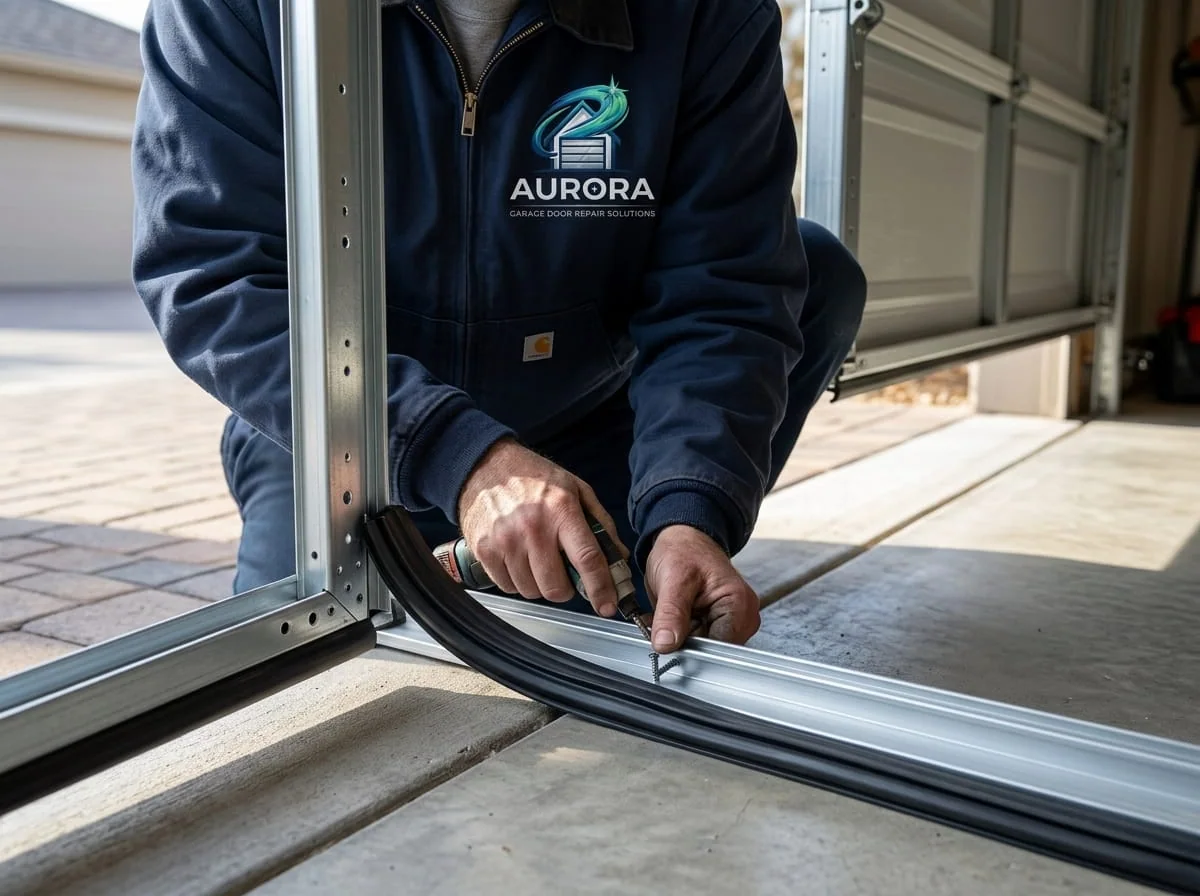
Garage door installation is a different job than replacement. Replacement swaps an old door for a new one in an opening that already has working track hardware, a squared jamb, and a known set of dimensions to match. Installation means starting with an opening that has never had a functioning door system — a new-construction garage, a carport being closed in, or a framed bay that was left door-less when the structure went up. That changes what the job requires: the framing needs to be checked for square and plumb before anything gets hung, headroom above the opening has to be measured for the track and spring shaft, and the electrical rough-in for an opener may or may not already exist.
Aurora's housing stock runs from older detached garages near Stolp Island and the Near East Side to newer builds out toward Fox Valley and the Eola corridor, and new-opening installs turn up in both settings. Without an existing door to reference, sizing and fit decisions have to be made from the actual framed dimensions, and the region's climate has to be built into those decisions from the start. Average January highs sit around 30°F with lows near 16°F, and the freeze-thaw cycling common to Kane County shifts concrete slabs and framing slightly from year to year — details that matter more when there's no prior door to show what has held up and what hasn't.
Aurora Garage Door Repair Solutions has installed doors into new and converted openings across the Fox Valley area since 2009, working from architect specs or as-built framing measurements to get sizing, spring calibration, and opener pairing right the first time.
New Installation vs. Replacement: Which One Do You Need?
If there's already a garage door in the opening, even a badly damaged one, that's a replacement job — the framing, track path, and header are already established. Installation applies when the opening has never had a working door: a new detached garage, a shell garage in new construction, a carport being converted to enclosed space, or an old opening that was framed but boarded over years ago.
The distinction matters for planning. A replacement can often happen the same day, since the opening is a known quantity. A new-opening installation usually needs an on-site measurement visit first, because the header height, jamb spacing, and headroom above the opening all have to be confirmed before a door and track system can be ordered. New construction or a converted opening may also fall under different permit rules than a straight swap — Aurora's Building & Permits division lists categories that can include new garage structures, so it's worth confirming with the city whether your specific project needs a permit before work starts.
Choosing a Door Material and Style
Once the opening is measured, the next decision is material and style. None of these require a specific brand — they're categories that differ in weight, durability, and upkeep:
- Steel — the most common residential choice; durable, low-maintenance, and available in single-layer or insulated construction.
- Wood — a traditional look with real grain and depth, but it needs periodic refinishing and is heavier, which affects spring sizing.
- Wood-composite — designed to mimic the look of wood with less warping and less maintenance than solid wood.
- Aluminum and glass — lighter weight, often used for a more contemporary look or where natural light in the garage is a priority; less insulating value unless paired with an insulated panel system.
Weight is the detail that connects material choice back to the mechanical side of the job. A heavier wood door and a lightweight aluminum door of the same dimensions need different spring tension, so the material decision has to happen before the spring system is sized, not after.
Insulation Matters More in a Fox Valley Winter
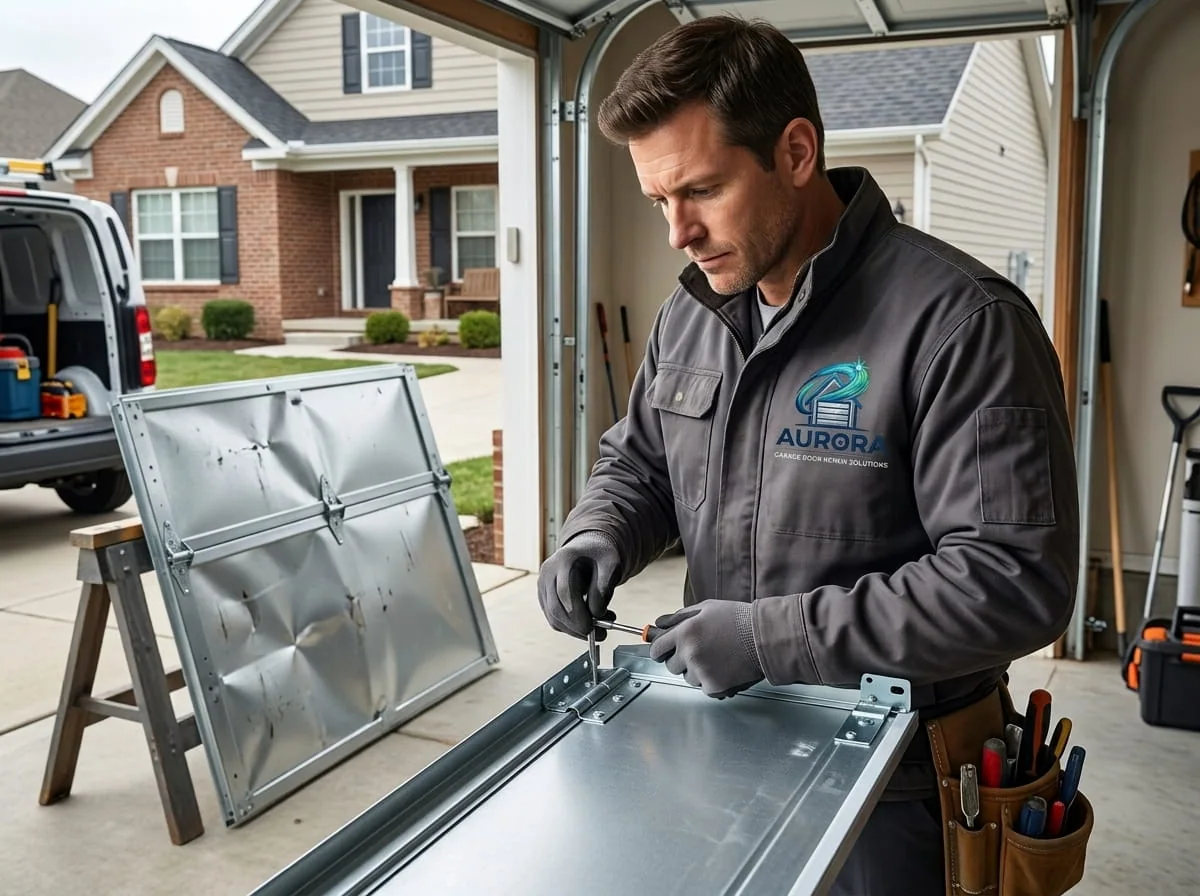
New installations are a natural point to decide between a single-layer door and an insulated one, since there's no existing door setting the precedent. A single-layer door is just the exterior skin with no thermal barrier — lighter, less expensive to manufacture, and fine for a detached garage that's never heated or finished. An insulated door adds a foam core between two steel skins (sometimes a third layer for added rigidity), which slows heat transfer, cuts down on condensation on the inside face of the door, and keeps the garage noticeably more stable in temperature.
For a garage that's attached to the house, used as a workshop, or sits above or beside living space, insulation is worth the upfront conversation — Illinois winters with lows in the teens make an uninsulated door feel like a hole in the wall of the garage. It also affects the door's total weight, which again ties back to spring sizing. We cover this in more depth in our guide to insulated garage doors and Illinois winters.
Sizing, Headroom, and Clearance
A new opening has to be measured for more than just width and height. Three clearance zones determine what door and track hardware will actually fit:
- Headroom — the space above the top of the opening needed for the track to curve from vertical to horizontal and for the torsion spring shaft to sit above the door. Low headroom is common in older detached garages and converted spaces, and it can rule out standard track hardware in favor of low-headroom conversion brackets.
- Side room — the width on each side of the opening needed for the vertical track and, if applicable, the spring mounting brackets.
- Backroom — the depth needed inside the garage for the track to run horizontally, which affects where an opener rail can be mounted and whether a standard-lift or high-lift track configuration will work.
Skipping this step is the most common reason a new-opening installation stalls partway through — the door arrives and the track hardware doesn't clear an obstruction that wasn't accounted for during measurement.
What a Proper Installation Actually Involves
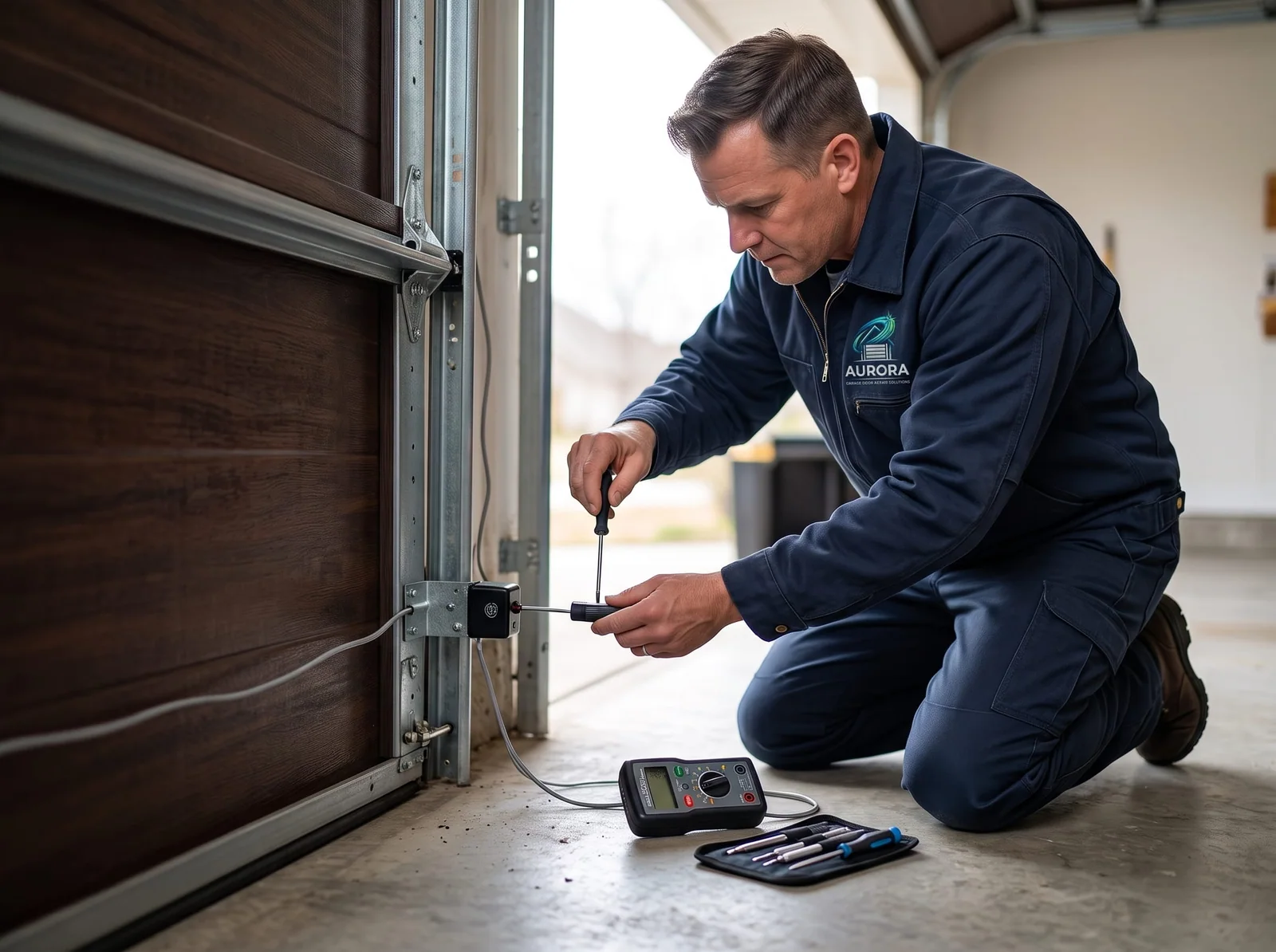
A correctly done installation is a mechanical job as much as a carpentry one. It starts with the frame: jambs have to be plumb and the header square, or the door will bind, wear unevenly, or fail to seal against weather. Track has to be mounted level and anchored into solid framing, not just drywall or trim.
Spring sizing is where a lot of the technical judgment comes in. Torsion springs are rated by wire size, length, and the number of turns needed to counterbalance a specific door weight — DASMA's technical guidance on spring cycle life explains why matching the spring to the actual installed weight of the door matters for both safety and how long the spring lasts. A spring sized for a lighter aluminum door won't safely lift a heavier insulated wood-composite door, and the reverse creates its own strain and wear problems. See broken spring repair for what happens when spring tension is wrong from the start.
Opener pairing comes last: the opener's horsepower or drive rating, rail length, and force settings need to match the door's size and weight, and the safety reversal sensors have to be aligned and tested before the job is called finished. Our garage door opener installation service covers this piece in more detail for installs that don't already have an opener specified.
Why New Installations Aren't a DIY Weekend Project
A garage door section can weigh well over a hundred pounds on its own, and a torsion spring under full tension stores enough energy to cause serious injury if it's wound, unwound, or released incorrectly — the U.S. Consumer Product Safety Commission has documented the injury patterns tied to spring and cable work for years. On a replacement, at least the opening and track geometry are already proven. On a new installation, there's no existing reference point, which means measurement errors, an out-of-square frame, or a mis-sized spring can compound into a door that never operates correctly, no matter how well the individual parts were installed.
We've been called to correct new installations where the track was mounted level but the frame itself was slightly out of square, causing the door to bind at one corner every cycle. Catching that during the framing check, before the track ever goes up, is far simpler than correcting it afterward.
Why Aurora Homeowners Choose Us for New Installations
Ryan Delaney has been installing and repairing garage doors around Aurora since 2009, and the same principle that shaped the company from the start applies here: treat spring and structural work like it can hurt someone if it's rushed, because it can. That means an actual on-site measurement before ordering hardware, straight answers about which materials and insulation level make sense for your specific garage, and an opener paired to the door's real weight rather than whatever happens to be on the truck.
We're locally owned and operated, our technicians are insured and background-checked, and we provide upfront, honest pricing with a free quote before any work begins. Read more about our approach on the About page, or reach out through our contact page to schedule a measurement visit.
What to Expect When You Call
On-site measurement and assessment
We measure the framed opening, check headroom, side room, and backroom clearance, and confirm the frame is square and plumb.
Material, insulation, and style selection
We walk through steel, wood, wood-composite, and aluminum/glass options along with single-layer versus insulated construction based on how the garage is used.
Frame prep and track mounting
Any framing adjustments are made, then track is mounted level and anchored into solid structural framing.
Spring calibration and door installation
The torsion spring is sized to the installed door's actual weight, and the door panels are hung and aligned in the track.
Opener pairing and final safety check
An opener matched to the door's size and weight is installed, safety reversal sensors are aligned and tested, and we walk through operation before we leave.
Garage Door Installation in Aurora, IL FAQs
What's the difference between garage door installation and replacement?
Replacement swaps an old door for a new one in an opening that already has working track and framing. Installation is for an opening that has never had a functioning door, such as new construction, a converted carport, or a framed bay that was never fitted with one, and it typically requires more upfront measurement and framing checks.
Can I install a garage door myself?
It isn't recommended. Beyond the door panels themselves being heavy, torsion springs store enough force under tension to cause serious injury if sized or handled incorrectly, and an out-of-square frame or mis-measured headroom can cause problems that aren't obvious until the door is in daily use.
How long does a new garage door installation take?
It depends on whether the framing is already square and ready or needs adjustment, and whether an electrical rough-in for the opener already exists. Straightforward installs into properly framed openings typically take a matter of hours; new construction or conversions with framing or wiring work involved can take longer.
Do I need a permit to install a garage door in a new opening in Aurora?
It depends on the scope of the project. The City of Aurora's Building & Permits division lists categories that can include new garage structures, and a swap into existing framing typically doesn't require a separate permit, but adding a new opening or altering structural framing might. We'd recommend confirming your specific situation with the city before work begins.
What size garage door do I need?
Door size is determined by the framed opening's actual width and height, plus available headroom, side room, and backroom for the track system. We measure all of these on-site rather than guessing from a standard size, since older or converted openings often don't match modern standard dimensions exactly.
Should I get an insulated garage door for a new installation?
For a garage attached to the house, used as a workshop, or bordering finished living space, insulation is worth considering given how cold Aurora winters get. For a detached garage used only for storage or parking, a single-layer door is often adequate and costs less upfront.
How much does a new garage door installation cost?
Cost depends on door material, size, insulation level, whether the frame needs adjustment, spring and hardware requirements, and whether an opener needs to be added. We provide a free, upfront quote after an on-site measurement so you know the real scope before any work starts.
Need Garage Door Installation in Aurora, IL?
Aurora Garage Door Repair Solutions is ready to help — call now for a free, upfront quote.