
Garage Door Replacement in Aurora, IL
When repeated repairs stop making sense, a full garage door replacement gives you a safer, better-insulated door sized and balanced correctly for your home, built to handle Aurora's cold winters and hot summers.
- Locally owned since 2009
- Insured, background-checked techs
- Free upfront quotes
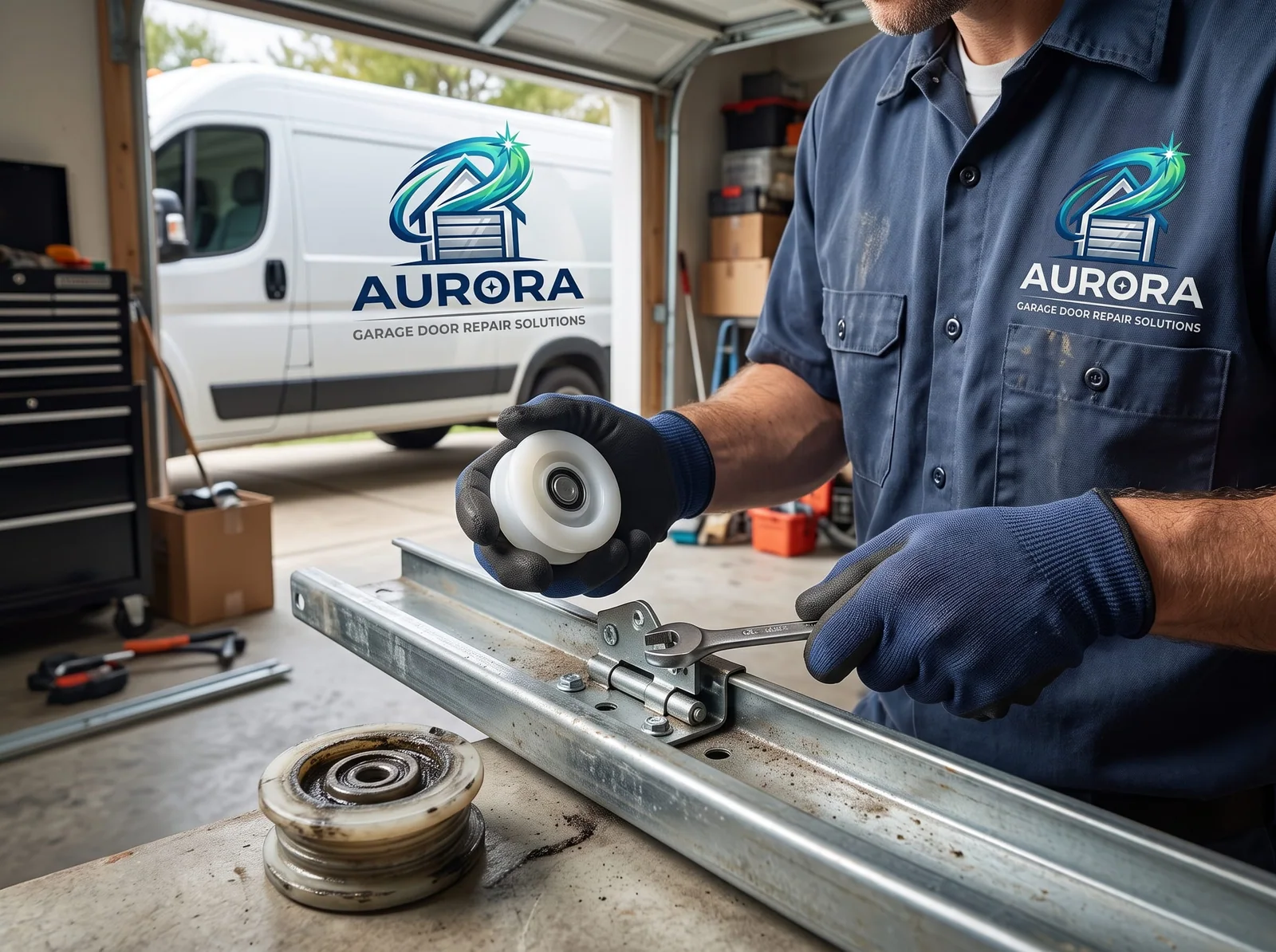
Every garage door eventually reaches a point where fixing it stops being the practical choice. Aurora Garage Door Repair Solutions works on doors across Aurora and the Fox Valley that are ten, twenty, even thirty years old, with hardware that's already been welded and springs that have already been replaced more than once. Garage door replacement means taking out that aging door and its worn hardware and installing a new system matched to your existing opening, not cutting a new opening into your garage.
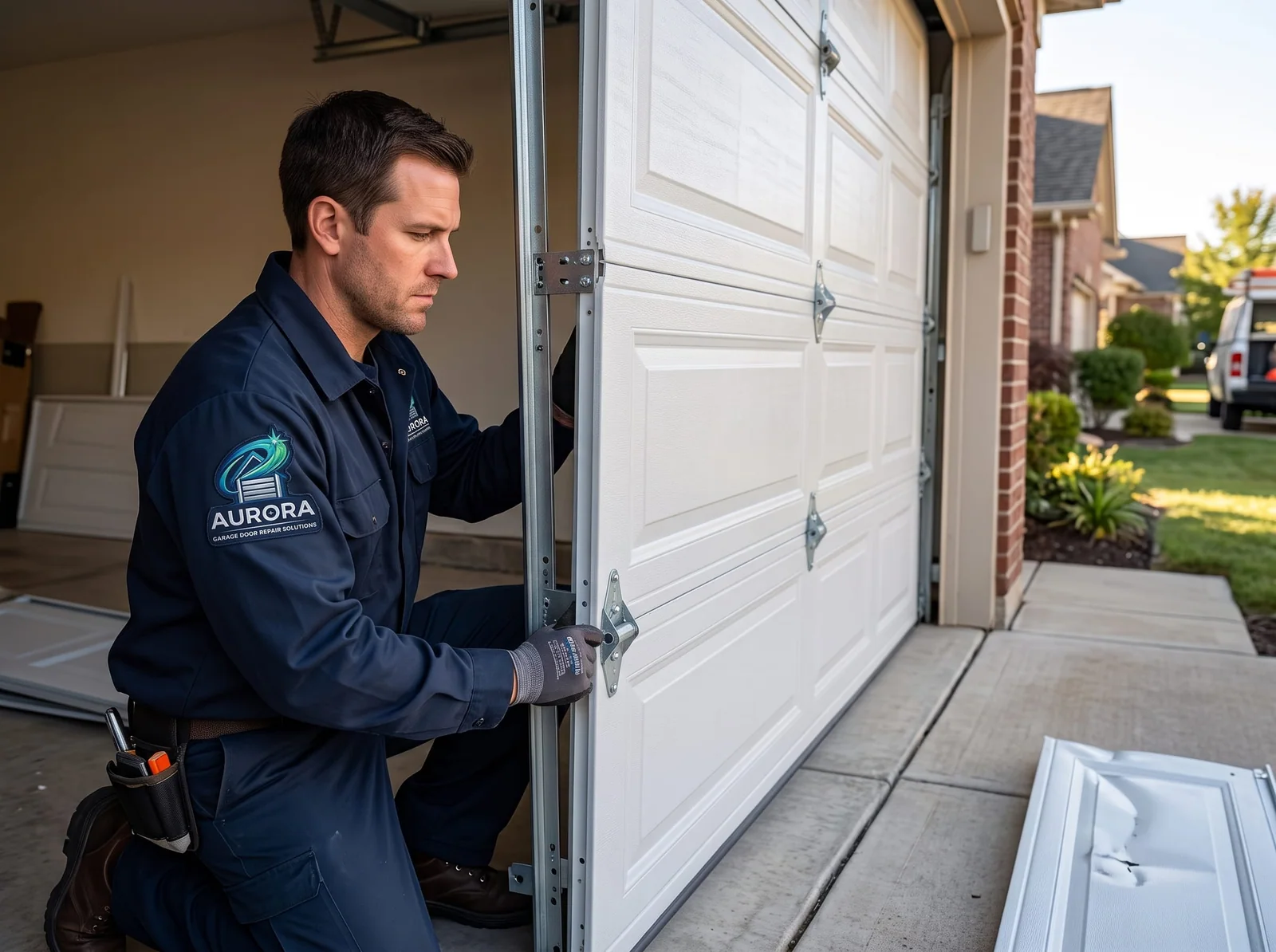
Replacement is a different job than new construction installation. On an existing home, the opening, jambs, and header are already framed and load-bearing. The work is removing the old door panels, track, springs, and cables, then installing a new door sized correctly to that opening along with a torsion spring system rated for the new door's weight. Get the spring rating wrong and you're looking at premature failure and a door that's dangerously hard to lift by hand if the opener ever fails. That distinction gets real attention on every replacement job we do.
Beyond function, a new door changes how the whole front of the house looks, and for many Aurora homeowners preparing to sell or simply tired of a dated design, that matters as much as the mechanics. We provide a free, upfront quote after walking through your specific door, opener, and opening before any work begins.
Signs You Need Replacement, Not Another Repair
Not every garage door problem calls for a new door. But certain patterns point toward replacement being the smarter long-term choice over another repair visit.
- You've called for the same type of repair more than once in the past year or two. Repeated spring, cable, or opener issues on an older door usually mean the whole system is wearing out together, not just one part.
- Panels are visibly sagging, bowing, or warped, which usually means the door's structural rigidity is gone and hardware won't hold adjustment correctly anymore, even after a repair.
- The door feels noticeably colder to the touch than the rest of the garage wall, or heating bills have crept up since Aurora's coldest months set in. Older uninsulated steel doors offer little resistance to winter air infiltration.
- The door looks visibly dated next to the rest of the house, which matters if you're getting ready to sell or simply want the garage to stop being the worst-looking part of the exterior.
If your door is more than fifteen to twenty years old and showing two or more of these signs at once, a repair visit is still worth doing to confirm the diagnosis, but replacement is usually the more cost-effective path from that point forward.
Not all damage means the whole door needs to go. If a single panel is dented, cracked, or rusted through but the rest of the door, track, and spring system are in good shape, panel replacement alone may solve the problem for less than replacing everything.
Weighing Repair Costs Against a One-Time Replacement
Every homeowner asks the same underlying question eventually: is it worth fixing again, or should I just replace it? There's no universal cutoff, but three factors matter most.
- Age of the door. Most residential steel sectional doors are built to last fifteen to thirty years depending on climate exposure and maintenance, and a door that has been through two decades of Illinois freeze-thaw cycles is working with hardware and steel that has already fatigued.
- Frequency of repairs. A single spring replacement on an otherwise healthy door is routine maintenance. Three or four separate repair calls in a couple of years usually means you're paying incrementally for a problem that one replacement would solve outright.
- What a repair can't fix. Cosmetic damage, discontinued panel styles, and poor insulation performance are properties of the door itself rather than a failed part, so no repair addresses them.
We'll always tell you honestly when a repair is still the right call. When replacement genuinely is the better value over time, we'll explain exactly why before recommending it, and provide a free quote so you can weigh the decision with real numbers in front of you rather than a guess.
Insulation, R-Value, and Aurora Winters
Insulation is one of the more overlooked reasons homeowners replace a garage door, and one of the more measurable. Older single-layer steel doors have essentially no R-value, and a cold, uninsulated door on an attached garage pulls heat out of the space above and beside it, a real factor through an Aurora winter where January highs average around 30°F and lows drop into the teens.
New doors are available with polystyrene or polyurethane core insulation rated by R-value, and the difference in how a garage feels in February is noticeable, especially if the garage shares a wall with living space or houses a laundry room. We wrote a more detailed breakdown of how R-value actually works and what it's worth chasing for an Illinois home in our guide to insulated garage doors, which is worth reading before you decide on a specific door. For general background on energy-efficient home upgrades, ENERGY STAR provides useful guidance beyond just garage doors.
What the Replacement Process Actually Involves
A garage door replacement is more involved than swapping one panel set for another. On a typical residential replacement, our technicians:
- Remove the existing door panels section by section, along with the old track, hinges, rollers, and the torsion or extension spring system, checking the opening and jambs for damage or settling underneath.
- Install new vertical and horizontal track sized to the new door, along with a torsion spring system rated for the new door's specific weight and cycle life. A heavier insulated door needs a different spring rating than the light uninsulated door it's replacing, and getting that wrong is one of the most common mistakes in a rushed installation.
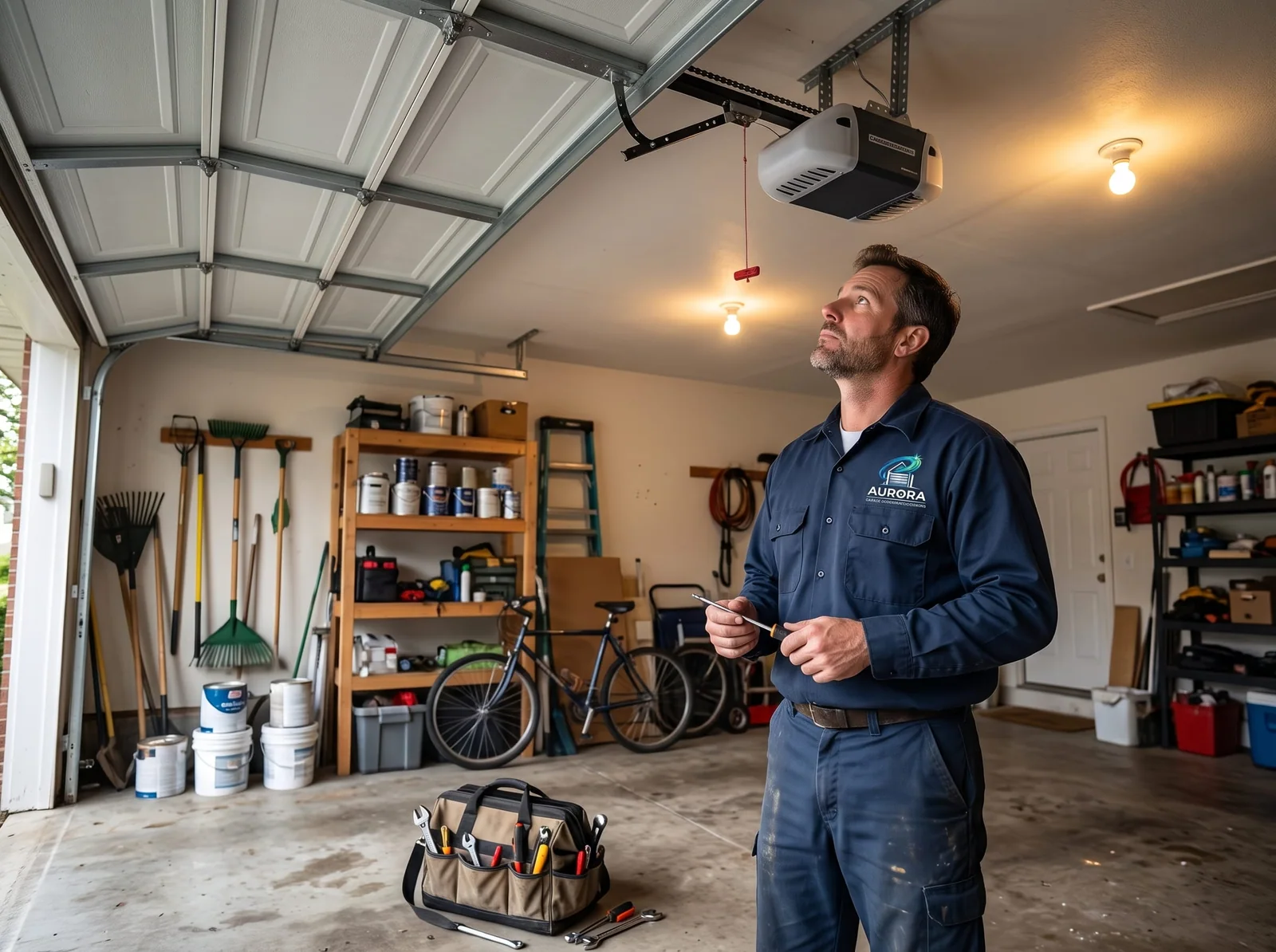
- Check opener compatibility. Many older openers can run a new door without issue, but a heavier insulated door sometimes exceeds what an aging opener was rated to lift safely, and we'll flag that during the assessment rather than after the door is already hung.
- Balance, test, and adjust the finished door, including safety reversal and sensor checks, before we call the job done.
Most residential replacements are completed in a single service visit, though the exact timeline depends on the door style, any structural repairs the opening needs, and whether the opener also needs attention.
Replacement vs. New Construction Installation
It's easy to conflate garage door replacement with garage door installation, but they're different jobs. Installation, in our terminology, refers to a garage door going into a brand-new opening: new construction, a garage addition, or a converted space that never had a door system before. That work involves framing considerations, header sizing, and sometimes coordination with a general contractor.
Replacement assumes the opening, header, and jambs already exist and are sound. The job is removing what's there and installing new in its place, matched to the same rough opening. If you're not sure which situation applies to your project, our team can tell you quickly during a phone conversation or a short walkthrough, and if your project actually is new construction, our garage door installation page covers that process in more detail.
Why Aurora Homeowners Choose Us for Replacement
Ryan Delaney started Aurora Garage Door Repair Solutions in 2009 after years working as a technician for a regional door and hardware company, and the business has grown almost entirely through referrals since. That background means our replacement recommendations come from people who have spent years correctly sizing spring systems for the doors we install, not guessing.
We replace garage doors throughout Aurora and the surrounding Fox Valley, from West Aurora to North Aurora and communities in between. We're locally owned and operated, our technicians are insured and background-checked, and we provide upfront, honest pricing before any work begins, including telling you plainly when a repair still makes more sense than a full replacement. Contact us for a free quote or to schedule a free on-site assessment.
What to Expect When You Call
Free On-Site Assessment
We inspect your current door, track, opener, and opening, and measure for the replacement door before recommending anything.
Removing the Old Door and Hardware
Technicians take out the old panels, track, rollers, and spring system section by section, checking the opening for any damage underneath.
Installing New Track and a Correctly Sized Spring System
New track and a torsion spring system rated for the new door's exact weight are installed and set to the correct tension.
Opener Compatibility Check
We confirm your existing opener can safely lift the new door's weight, or recommend an upgrade if it can't.
Balance and Safety Testing
The finished door is balanced, cycled, and checked for proper safety reversal and sensor function before we finish the visit.
Garage Door Replacement in Aurora, IL FAQs
How do I know if I need a repair or a full replacement?
If your door needs the same type of repair repeatedly, has visibly sagging or warped panels, or is more than fifteen to twenty years old, replacement is usually more cost-effective than continuing to repair it. We'll give you an honest assessment either way during the visit.
How much does a garage door replacement cost?
Cost depends on the door's size, material, insulation level, window options, and whether the track, spring system, or opener also need work. We provide a free, upfront quote after seeing the door and opening in person rather than a number over the phone.
Can I keep my existing garage door opener?
Often yes, if it's in good condition and rated to lift the new door's weight. We check compatibility during the assessment and will tell you directly if the new door needs a different opener.
How long does a garage door replacement take?
Most residential replacements are completed in a single service visit. Jobs that also involve structural repairs to the opening or an opener upgrade can take longer.
Do I need a permit to replace a garage door in Aurora?
Swapping an existing door on an existing opening typically doesn't require a separate permit, but requirements can vary if structural framing is involved. Check with the City of Aurora's Building & Permits division to confirm your specific situation.
Will a new door actually lower my energy bills?
An insulated replacement door reduces air infiltration and heat loss compared to an old, uninsulated one, which can make a real difference in an attached garage through an Aurora winter. How much it affects your overall energy bill depends on your garage's layout and how it connects to the rest of the house.
What happens to my old garage door and hardware?
We remove and haul away the old door panels and hardware as part of the replacement, so you don't have to deal with disposal yourself.
Need Garage Door Replacement in Aurora, IL?
Aurora Garage Door Repair Solutions is ready to help — call now for a free, upfront quote.